
 admin
admin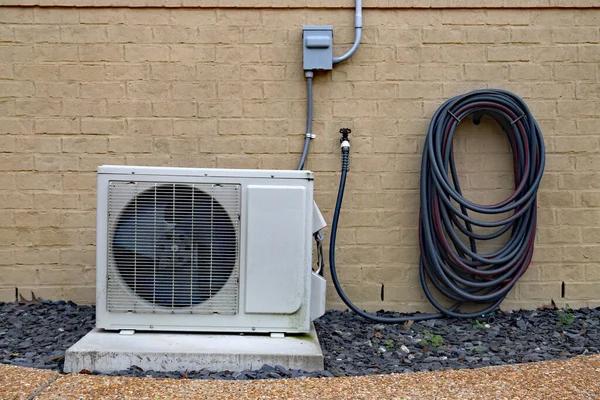
Mini split heating systems have become increasingly popular as an efficient and flexible option for maintaining comfort during cold weather. Unlike traditional central heating systems, mini splits provide targeted heating by delivering warm air directly to individual rooms or zones. This approach not only enhances comfort but also allows homeowners to control temperatures independently in different areas of their homes, leading to potential energy savings and reduced utility bills.
One key advantage of mini split systems is their ability to operate efficiently even in very low outdoor temperatures. Modern models are designed with advanced inverter technology and enhanced heat pump capabilities, enabling them to extract heat from the outside air when conditions are cold. This makes them a reliable source of warmth throughout the winter months without relying solely on electric resistance heating, which can be costly and less environmentally friendly.
Installation flexibility is another significant benefit offered by mini splits. These systems consist of two main components: an outdoor compressor unit and one or more indoor air-handling units mounted on walls or ceilings. Because they do not require ductwork, mini splits can be installed in homes where adding ducts would be impractical or expensive, such as older buildings or spaces with limited structural access. This also minimizes disruption during installation and preserves indoor aesthetics.
In addition to providing effective heating during cold weather, many Mini Split models function as both heaters and air conditioners. This dual functionality means that users can enjoy comfortable indoor temperatures year-round using a single system. The ability to switch between modes easily adds convenience while maximizing the value of the investment.
Energy efficiency is a critical consideration for any heating solution, especially given rising energy costs and environmental concerns. Mini splits typically achieve higher seasonal energy efficiency ratios compared to conventional HVAC equipment due to their variable-speed compressors that adjust output according to demand rather than running at full capacity continuously. This modulation reduces wasted energy while maintaining consistent warmth indoors.
Maintenance requirements for mini split heating systems tend to be straightforward since they have fewer mechanical parts exposed indoors compared with traditional furnaces or boilers. Routine cleaning of filters and periodic professional inspections help maintain optimal performance over time.
Overall, mini split heating systems offer a compelling combination of efficiency, versatility, ease of installation, and reliable performance in cold weather conditions. Homeowners seeking cost-effective solutions for zone-specific comfort will find these systems well-suited for modern living environments where precise temperature control matters most during chilly seasons.

