admin
admin
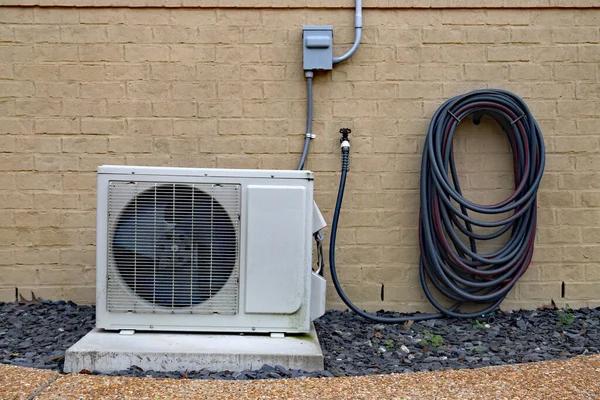
A mini split air conditioning system is a popular choice for homeowners seeking efficient and flexible cooling solutions. Unlike traditional central air systems, a mini split does not require ductwork. Instead, it consists of two main components: an outdoor compressor/condenser unit and one or more indoor air-handling units. These parts are connected by refrigerant lines and electrical wiring through a small hole in the wall, allowing the system to deliver cooling directly to specific rooms or zones.
The way a mini split works involves transferring heat from inside the home to the outside environment. The indoor unit contains an evaporator coil that absorbs warm air from the room. This heat is then transferred via refrigerant to the outdoor condenser unit, where it is released into the atmosphere. The cooled refrigerant circulates back indoors to absorb more heat, creating a continuous cycle that maintains comfortable temperatures efficiently.
One of the key benefits of mini splits is their ability to provide zoned cooling. Each indoor unit can be controlled independently, giving homeowners precise temperature control in different areas of their homes without affecting other rooms. This feature enhances comfort while reducing energy consumption because only occupied spaces are cooled rather than an entire house.
Installation flexibility also makes mini splits attractive for many residences. Since they do not rely on extensive ductwork, they can be installed in older homes without existing ducts or in new constructions where adding ducts might increase costs significantly. Their compact size allows placement on walls or ceilings without taking up much space or disrupting interior design.
Energy efficiency is another reason homeowners prefer mini split ac systems over conventional options. Many models have high Seasonal Energy Efficiency Ratio (SEER) ratings and use inverter technology that adjusts compressor speed based on cooling demand rather than running at full capacity constantly. This results in lower electricity bills and reduced environmental impact.
Additionally, modern mini splits often include features such as programmable timers, remote controls, and quiet operation modes that enhance user convenience and comfort levels throughout various seasons.
In summary, mini split air conditioners offer targeted cooling with easy installation, energy savings, and customizable comfort settings-qualities that make them increasingly popular among homeowners looking for effective alternatives to traditional HVAC systems.