admin
admin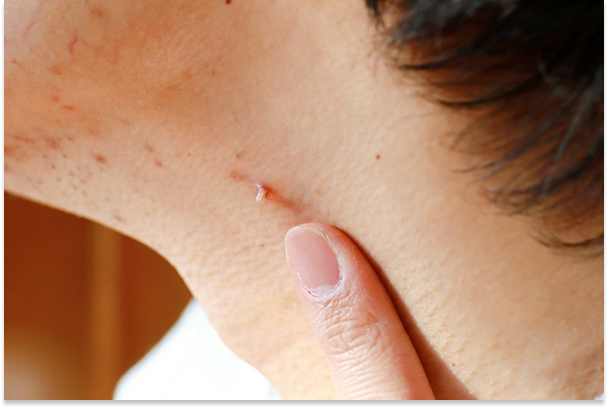
Mole removal is a common dermatological procedure sought by individuals for both cosmetic and medical reasons. Understanding what to expect during and after the treatment can help alleviate any concerns and prepare one for the process. Moles, or nevi, are clusters of pigmented cells that appear as small, dark brown spots on the skin. While most moles are harmless, some may require removal due to changes in appearance or discomfort.
The first step in mole removal is a consultation with a dermatologist who will examine the mole to determine if it needs removal based on its characteristics or potential malignancy. If there is suspicion of melanoma or other skin cancers, further diagnostic tests such as a biopsy might be conducted before proceeding with full wart removal guide.
There are several methods available for mole removal, including surgical excision, shave excision, laser treatment, and cryotherapy. The choice of method depends on factors like the type of mole, its location on the body, and patient preference. Surgical excision involves cutting out the entire mole along with a margin of surrounding tissue; this method is often used when dealing with potentially cancerous moles as it ensures complete removal. Shave excision involves shaving off raised moles flush with the surrounding skin surface; this technique is typically employed for benign moles.
Laser treatment uses concentrated light beams to break down pigment in flat moles without damaging surrounding tissues; it’s particularly effective for non-cancerous superficial lesions but might not be suitable for deeper ones. Cryotherapy entails freezing off smaller superficial moles using liquid nitrogen; however, multiple sessions may be required.
During these procedures, local anesthesia is generally administered to minimize discomfort. Patients can expect some level of pain management post-procedure depending on individual pain thresholds and specific techniques used.
Recovery times vary according to procedure type but generally involve minimal downtime except in cases requiring stitches from surgical excisions which may need follow-up visits for suture removal within 1-2 weeks post-operation.
Post-treatment care instructions usually include keeping treated areas clean/dry initially followed by gentle cleansing/moisturization once healing begins ensuring scab formation occurs naturally without picking/scratching at sites reducing risk infection/scarring long-term results optimal outcomes desired aesthetic/functional aspects considered equally important overall satisfaction levels high among patients undergoing treatments successfully achieving goals set forth initial consultations realistic expectations managed effectively throughout processes involved comprehensive understanding informed decisions made confidently moving forward life afterwards enhanced self-esteem improved health prospects where applicable significant positive impacts realized those choosing pursue options available today modern medicine advancements continually evolving field skincare solutions tailored meet diverse needs populations worldwide ever-changing landscape healthcare industry adapting innovative approaches addressing challenges faced daily basis empowering individuals take charge well-being proactively responsibly future generations benefit knowledge gained experiences shared collectively society whole benefit progress achieved together united purpose common good humanity thriving harmony balance sustainable development objectives aligned vision healthier tomorrow envisioned embraced wholeheartedly all stakeholders engaged actively participating collaboratively working towards brighter future ahead!