admin
admin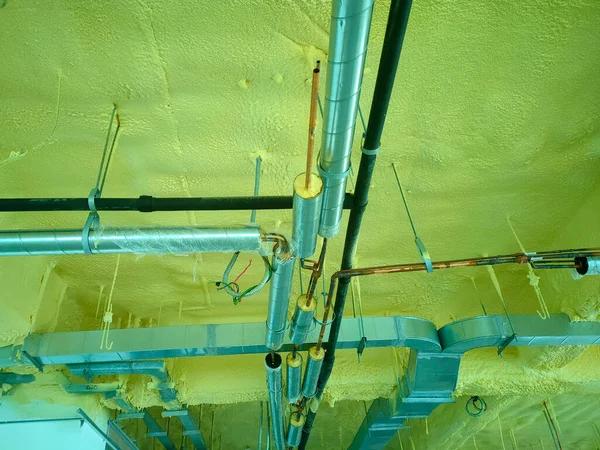
Upgrading attic insulation is a pivotal project for homeowners seeking to enhance energy efficiency, reduce utility bills, and improve overall home comfort. As energy costs rise, ensuring your attic is properly insulated becomes increasingly important. A well-insulated attic acts as a barrier against heat loss in the winter and heat gain in the summer, making your home more comfortable year-round.
The first step in upgrading your attic insulation successfully is understanding the types of insulation available. Common options include fiberglass batts, blown-in cellulose, spray foam, and rigid foam boards. Each type has distinct advantages and considerations related to cost, installation complexity, R-value (a measure of thermal resistance), and environmental impact. Fiberglass batts are popular due to their affordability and ease of installation but may require precise cutting to fit snugly between joists. Blown-in cellulose offers excellent coverage for irregular spaces but requires specialized equipment for installation.
Once you’ve chosen find out the benefits appropriate insulation material for your needs and budget, assessing your current insulation’s condition is crucial. Check for signs of damage such as moisture accumulation or pest infestation that could compromise effectiveness. Removing old or damaged insulation might be necessary before installing new materials.
Proper preparation also involves sealing air leaks throughout the attic space. Gaps around vents, chimneys, plumbing stacks, or electrical fixtures can significantly undermine insulation performance by allowing conditioned air to escape from living areas below into unconditioned spaces above—or vice versa—leading to increased energy use over time.
Safety considerations should never be overlooked during an upgrade process: wearing protective gear like gloves masks goggles when handling potentially irritating substances ensures personal safety while working within confined quarters often found inside attics themselves! Additionally taking care not disturb existing wiring ductwork inadvertently causing further complications down line makes sense too!
Hiring professional contractors experienced with these types projects provides peace mind knowing job done correctly according manufacturer specifications building codes relevant jurisdiction where reside; however DIY enthusiasts equipped right tools knowledge base tackle smaller scale installations themselves without undue difficulty provided they follow best practices outlined herein diligently throughout entire endeavor undertaken!
Finally regular maintenance inspections following completion ensure continued optimal performance long term basis thereby maximizing return investment made initially outset journey towards achieving greater household sustainability via improved thermal regulation afforded through enhanced insulative properties newly installed systems now place protecting family finances future proofing property value simultaneously accomplished single strategic decision executed thoughtfully carefully planned manner yielding benefits both immediate far reaching alike!