admin
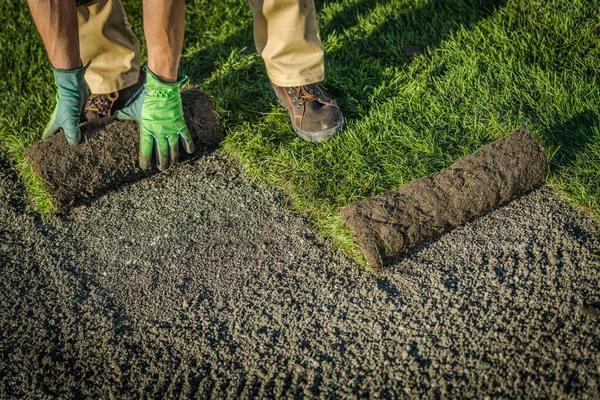
Before starting a landscaping installation, there are several essential factors to consider to ensure the project’s success and longevity. The first crucial aspect is understanding the site conditions. Every piece of land has unique characteristics, including soil type, drainage patterns, sunlight exposure, and existing vegetation. Evaluating these conditions helps in selecting the most suitable plants and materials that will thrive in the environment. For example, certain plants require well-drained soil and full sun, while others may prefer shade or moist conditions. Ignoring these factors can lead to poor plant health and increased maintenance costs.
Another important consideration is the purpose of the landscaping. Identifying the primary goals for the outdoor space guides the luxury landscape design Charlotte NC and installation process. Whether the intent is to create a relaxing retreat, a functional entertaining area, or a space for children to play, the design should reflect those needs. This clarity helps in choosing appropriate features such as seating, pathways, water elements, or play structures. It also influences the selection of plant species, hardscape materials, and overall layout to maximize utility and aesthetic appeal.
Budget plays a significant role in landscaping installation decisions. It is essential to establish a realistic budget before beginning the project to avoid overspending or cutting corners later. Costs can vary widely depending on the complexity of the design, materials used, and labor involved. A well-planned budget allows for prioritizing key elements and making informed choices about where to invest more or save. It is also wise to set aside some funds for future maintenance, as landscaping requires ongoing care to remain attractive and healthy.
Climate conditions should never be overlooked when planning landscaping. Understanding local weather patterns, such as rainfall, temperature ranges, and seasonal changes, is vital for plant selection and overall design. Plants that are well-adapted to the climate will require less water and maintenance, reducing long-term costs and environmental impact. Additionally, incorporating elements that provide shade or wind protection can improve the comfort and usability of the outdoor space throughout the year.
Lastly, considering the existing landscape and neighborhood context enhances the harmony and appeal of the installation. The design should complement the architectural style of the home and blend seamlessly with surrounding properties. This approach not only increases curb appeal but can also add value to the property. Taking the time to research local regulations, such as zoning laws or homeowners association rules, ensures compliance and prevents potential issues during or after installation. Thoughtful planning and consideration of these factors lay a strong foundation for a successful landscape installation that meets both functional and aesthetic goals.