admin
admin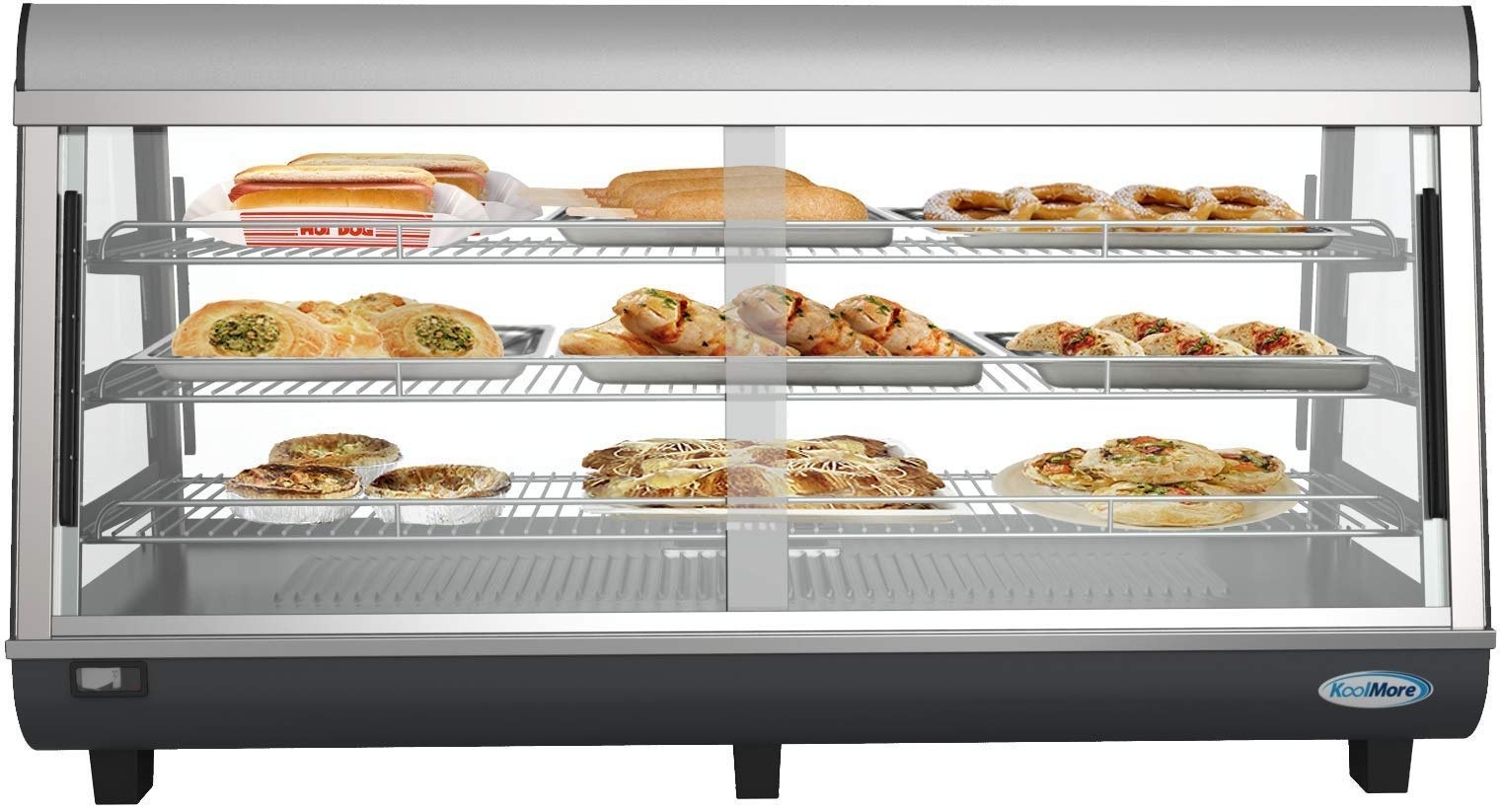
Choosing the right commercial food warmer display is essential for businesses aiming to maintain food quality while attracting customers. These devices keep prepared foods at safe temperatures, ensuring freshness and appealing presentation in settings such as restaurants, cafeterias, convenience stores, and catering events. When selecting a commercial food warmer display, several factors should be considered to meet operational needs efficiently.
First, consider the type of heating technology used. Food warmers generally employ dry heat or moist heat methods. Dry heat warmers use heated air or metal surfaces to maintain temperature without adding moisture, suitable for items like baked goods or fried foods that benefit from crispness. Moist heat warmers utilize steam or water baths to retain moisture in foods such as soups and sauces, preventing them from drying out during extended holding periods. Understanding which method aligns with your menu offerings will help preserve product quality.
Capacity is another critical aspect when purchasing a Food Warmer Display you need to hold at once based on customer volume and serving size requirements. Warmers come in various sizes ranging from countertop models designed for small batches to large floor units capable of accommodating multiple trays or pans simultaneously. Selecting an appropriately sized unit ensures efficient space utilization without overcrowding or underutilization.
Temperature control features also play a vital role in maintaining consistent warmth and safety standards. Look for displays equipped with adjustable thermostats that allow precise temperature settings tailored to different types of dishes. Some advanced models include digital controls offering accurate monitoring and ease of adjustment during busy service hours. Reliable temperature regulation helps prevent overcooking or bacterial growth by keeping foods within recommended safe zones.
The design and construction of the warmer influence both aesthetics and durability in commercial environments. Stainless steel exteriors are common due to their corrosion resistance, ease of cleaning, and professional appearance fitting various décor styles. Transparent glass panels enhance visibility for customers while protecting food from contaminants; some units offer sliding doors or hinged access points facilitating quick replenishment by staff without compromising hygiene.
Energy efficiency is increasingly important given rising operational costs and environmental concerns. Opting for energy-saving models reduces electricity consumption without sacrificing performance through insulated walls or LED lighting options that minimize heat loss while showcasing products attractively.
Finally, consider warranty coverage and manufacturer reputation when making your purchase decision. A reliable warranty provides peace of mind against defects or malfunctions during typical usage periods; reputable brands often offer better customer support along with proven quality standards.
By carefully evaluating heating methods, capacity needs, temperature controls, build quality, energy efficiency measures, and after-sales support services before buying a commercial food warmer display unit can greatly enhance daily operations while delivering consistently fresh meals that satisfy customers’ expectations effectively every time they visit your establishment.