admin
admin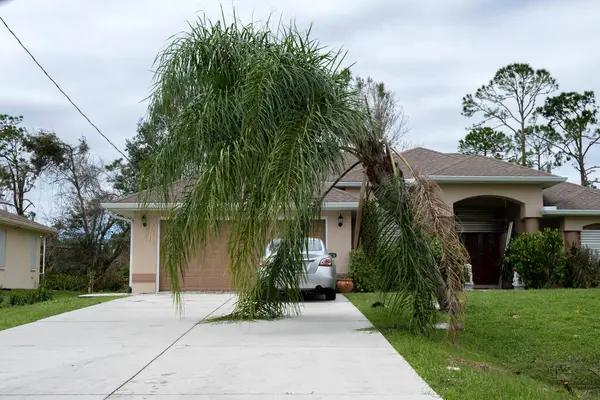
When a tree falls on your roof, it can cause significant damage and create an urgent need for repairs. Handling insurance claims in such situations requires a careful approach to ensure you receive the coverage you deserve while minimizing stress. The first step after ensuring everyone’s safety is to document the damage thoroughly. Take clear photographs from multiple angles, capturing both the fallen tree and any visible harm to your roof or other parts of your property. This evidence will be crucial when filing your claim with the insurance company.
Next, review your homeowner’s insurance policy carefully to understand what types of damage are covered. Most standard policies include coverage for sudden events like falling trees caused by storms or high winds, but coverage may vary depending tree on roof fell due to natural causes or neglect. If the tree originated from a neighbor’s property or was dead beforehand, this could affect liability and claims processing.
Contact your insurance provider as soon as possible after documenting the damage. Prompt notification helps avoid delays and ensures compliance with policy requirements. When speaking with an adjuster assigned by the insurer, provide all relevant information clearly and honestly. Share photos and details about how and when the incident occurred without exaggeration or omission.
It is also advisable not to remove large debris until after an inspection unless there is an immediate risk to safety or further property damage is likely. Removing debris prematurely might complicate verification of damages during assessment by your insurer’s representative.
Obtaining repair estimates from licensed contractors before finalizing any agreements can help you gauge reasonable costs associated with fixing your roof and removing fallen trees safely. Some insurers may require multiple quotes before approving payments; therefore, keeping detailed records of all communications, receipts, invoices, and related expenses will support your claim process effectively.
If disagreements arise regarding coverage limits or settlement amounts offered by the insurer, consider consulting a public adjuster or legal professional specializing in insurance claims for guidance tailored to your situation.
Ultimately, staying organized throughout this process-keeping copies of correspondence and following up regularly-will facilitate smoother communication between you and your insurance company while avoiding unnecessary delays in receiving compensation needed for repairs after a tree has damaged your roof.